
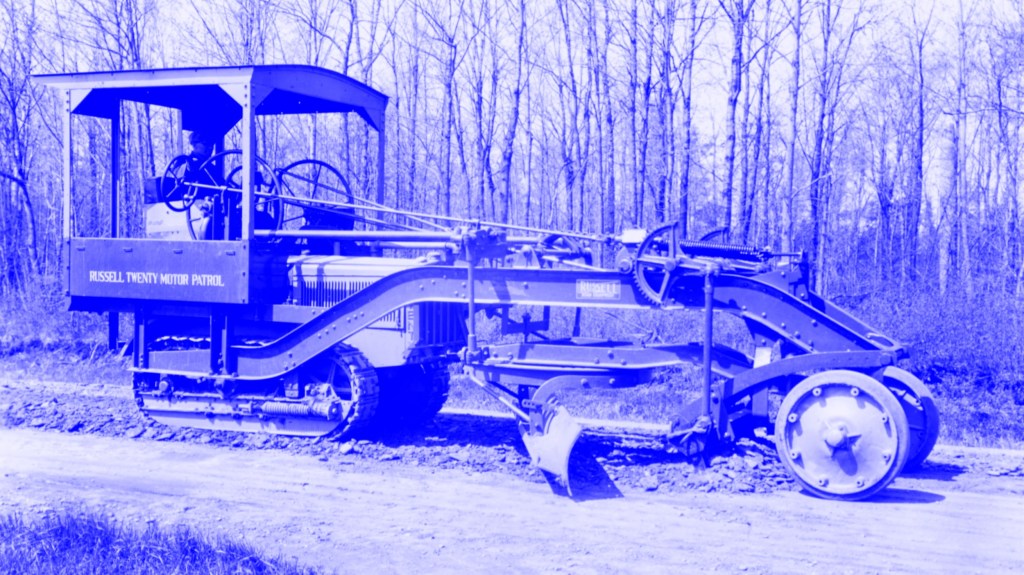
Caterpillar Inc.: Unveiling the Strategic Mastery of a Serial Acquirer
In the realm of corporate strategy and growth, few maneuvers are as intriguing as serial acquisitions. These are the strategic moves of companies continuously seeking to expand their reach, capabilities, and market share through the acquisition of other businesses. One such notable serial acquirer we’re delving into is Caterpillar Inc., a behemoth in the heavy equipment industry. From its humble beginnings to its present stature, Caterpillar’s journey through acquisitions offers valuable insights into the dynamics of corporate expansion and integration.
The Company
Caterpillar Inc., founded in 1925, stands as a titan in the machinery manufacturing sector. With its headquarters situated in Deerfield, Illinois, USA, Caterpillar has a global footprint, operating in over 180 countries. The company specializes in the design, manufacture, marketing, and sales of construction and mining equipment, diesel and natural gas engines, industrial gas turbines, and diesel-electric locomotives, among other products and services.
Acquisition History
Caterpillar’s acquisition history reflects a strategic pursuit of growth and diversification. Over the years, the company has executed numerous acquisitions, positioning itself as a key player in various segments of the heavy equipment industry. Notably, its largest acquisition to date is the purchase of Bucyrus International Inc. in 2011, a deal valued at approximately $8.6 billion. However, the pace seemed to have slowed slightly in the last couple of years, with only a handful of completed acquisitions in the last five years.
Caterpillar’s acquisition strategy is aligned with its overarching goals of expanding its product portfolio, enhancing technological capabilities, and strengthening its market position. The company predominantly targets businesses that complement its existing offerings or provide entry into new markets. A discernible trend in Caterpillar’s acquisitions is the focus on innovative technologies, particularly in areas such as automation, electrification, and digitalization, reflecting its commitment to staying ahead in an evolving industry landscape.
Acquisition Methods
Caterpillar employs various methods to execute its acquisitions, including cash transactions, stock swaps, and a combination of both. The company’s robust financial position allows it to finance acquisitions through internal cash reserves or by leveraging its access to capital markets. Additionally, Caterpillar may utilize debt financing to fund strategic acquisitions, strategically balancing its capital structure to optimize returns for shareholders.
In navigating the complexities of acquisitions, Caterpillar often collaborates with reputable financial advisors to ensure the success of its deals. While the company may not have a single preferred advisor, it selectively engages with leading investment banks and advisory firms renowned for their expertise in mergers and acquisitions. These partnerships play a crucial role in conducting thorough due diligence, structuring favorable deals, and maximizing synergies post-acquisition.
Business Integration Approach
Effective integration of acquired entities is paramount to realizing the full potential of acquisitions. Caterpillar demonstrates a proactive approach to post-merger integration, leveraging both internal resources and external expertise. The company maintains an internal integration office staffed with seasoned professionals tasked with overseeing integration processes across various functional areas.
In addition to internal capabilities, Caterpillar may enlist the support of external integration advisors, including management consulting firms and integration specialists. Collaborating with industry-leading experts enables Caterpillar to access specialized knowledge, best practices, and proven methodologies for integrating acquired businesses seamlessly. By prioritizing effective communication, cultural alignment, and operational integration, Caterpillar strives to unlock synergies and drive sustainable growth post-acquisition.
Divestitures
While acquisitions are integral to Caterpillar’s growth strategy, the company also recognizes the importance of strategic divestitures. Not all acquisitions unfold as initially envisioned, and divestitures may become necessary to optimize the company’s portfolio and focus resources on core business areas. One notable divestiture in Caterpillar’s history is the sale of Neovia Logistics Services to Platinum Equity in 2012. The strategic rationale behind this divestiture was to streamline operations and sharpen the company’s focus on its core competencies in machinery manufacturing and related services.
In executing divestitures, Caterpillar may engage with preferred divestiture or carve-out advisors, leveraging their expertise in identifying potential buyers, negotiating favorable terms, and facilitating seamless transitions. By strategically divesting non-core assets or underperforming businesses, Caterpillar aims to optimize its portfolio and enhance shareholder value.
The Future: Potential other acquisitions
Looking ahead, Caterpillar is poised to continue its pursuit of strategic acquisitions as a means of driving growth and innovation. The company will likely focus on targets that complement its existing product portfolio, expand its technological capabilities, and strengthen its competitive position in key markets. With a keen eye on emerging trends such as sustainability, digitalization, and infrastructure development, Caterpillar remains committed to delivering value to its customers, shareholders, and stakeholders.
Conclusion
In the dynamic landscape of corporate acquisitions, Caterpillar Inc. stands out as a formidable player, leveraging strategic acquisitions to fuel its growth and diversification efforts. From its inception to the present day, Caterpillar’s acquisition journey underscores the importance of strategic vision, financial prudence, and effective integration in driving sustainable value creation. As the company continues to evolve and adapt to changing market dynamics, its commitment to excellence and innovation remains unwavering, positioning Caterpillar for success in the years to come.
Topic:
Serial Acquirers
Reading Time:
15 min

 E2E Deal Insights
Leave a comment