
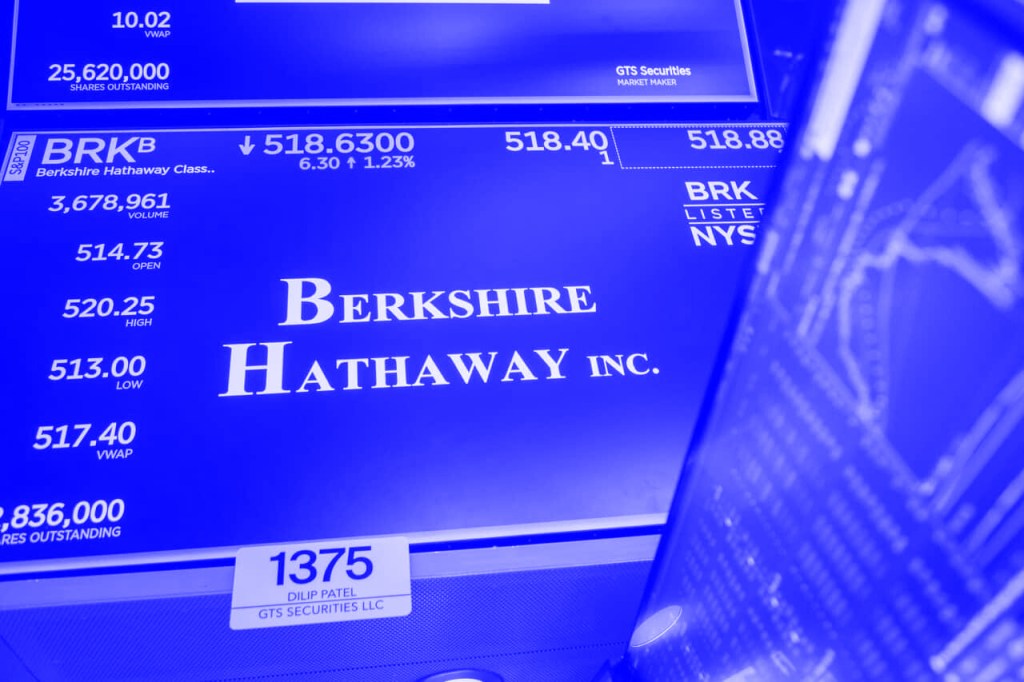
Berkshire Hathaway as a Serial Acquirer. How the Omaha super‑conglomerate buys, integrates, and sometimes sells
Serial acquirers are companies that regularly buy other businesses in pursuit of scale, capabilities, or long‑term cash generation. Think of them as corporate collectors with a very tidy trophy room. Berkshire Hathaway is a hallmark example. It has spent six decades building one of the world’s most valuable conglomerates by buying entire companies and making significant investments in public equities. The approach is simple to describe and surprisingly hard to replicate. Buy durable businesses at fair prices. Give managers autonomy. Allocate capital with discipline. Hold for a very long time. The rest is patience plus math.
Berkshire Hathaway. Who is Berkshire Hathaway?
Berkshire Hathaway is a multinational holding company based in Omaha Nebraska. It began life in the 1800s as a textile manufacturer and became a modern conglomerate after Warren Buffett took control in 1965. Berkshire is categorized within the broader financials sector with principal operations in insurance railroads utilities and energy plus manufacturing service and retailing. Its headquarters are at 3555 Farnam Street in Omaha. Berkshire serves customers worldwide through hundreds of subsidiaries and investee companies.
Major operating businesses include GEICO and General Re in insurance BNSF Railway in freight transportation Berkshire Hathaway Energy in regulated utilities and gas pipelines and a large group of industrial and retail firms such as Precision Castparts Marmon MiTek McLane and others. Berkshire also holds long‑term stakes in well known public companies including Apple Bank of America Coca‑Cola and American Express. Its scale is evident. Annual revenue exceeded 370 billion dollars in recent periods and total assets surpassed 1 trillion dollars.
Where does Berkshire operate. Insurance is global. Reinsurance platforms write risks around the world. BNSF operates across 28 U.S. states and multiple Canadian provinces. Berkshire Hathaway Energy runs utilities in several U.S. states and owns transmission assets in the U.K. and Canada. Manufacturing and retail subsidiaries sell internationally as well. In short. Berkshire is headquartered in Omaha and operates across North America Europe and other regions through its subsidiaries.
Acquisition History of Berkshire Hathaway
Berkshire is a prolific acquirer across decades. Early cornerstone deals included National Indemnity in 1967 which created the insurance float engine and General Re in 1998 which expanded reinsurance. The largest acquisition in Berkshire’s history was Burlington Northern Santa Fe Corporation. Berkshire agreed in November 2009 to acquire the remaining BNSF shares and closed the deal in February 2010. The transaction was valued at approximately 44 billion dollars including assumed debt which made BNSF a wholly owned Berkshire subsidiary.
After BNSF Berkshire continued to buy entire companies when the fit was right. Precision Castparts was acquired in 2016 for about 37 billion dollars including debt. In 2022 Berkshire announced and later completed the all‑cash purchase of Alleghany Corporation for 11.6 billion dollars. Alleghany operates property and casualty insurance businesses and also owns a portfolio of non‑financial companies through Alleghany Capital. Berkshire described Alleghany as a “perfect permanent home”. The deal closed in October 2022.
A notable multi‑step acquisition has been Pilot Travel Centers. Berkshire bought 38.6 percent in 2017 increased its stake to 80 percent in January 2023 then acquired the remaining 20 percent in January 2024. Reported aggregate outlays for the first 80 percent were about 11 billion dollars. The final tranche price was not disclosed. With more than 750 travel centers across the U.S. and Canada Pilot adds significant scale in fuel distribution food and travel services.
How many companies has Berkshire acquired in the last five years and last year. Berkshire rarely announces small bolt‑on purchases and its consolidated cash flow disclosures classify net cash used for acquisitions rather than itemizing deal counts. Public filings and market analytics show net acquisitions and divestitures of roughly negative 10.6 billion dollars in 2022 negative 8.6 billion dollars in 2023 and negative 396 million dollars in 2024. That pattern reflects Alleghany in 2022 the majority consolidation of Pilot in 2023 and minimal whole‑company purchases in 2024. As a result the number of announced large acquisitions over the last five years is limited. Alleghany and Pilot stand out. There were no widely reported new large acquisitions in 2024.
What type of companies does Berkshire buy and how does this align with strategy. Berkshire’s acquisitions cluster around durable cash generating businesses with strong moats and straightforward economics. Railroads and utilities provide regulated cash flows and scale. Insurance creates investable float. Industrial manufacturers and distributors add diversified earnings. Berkshire favors companies with proven management teams who will remain in place post‑deal. This aligns with the conglomerate’s long‑term capital allocation philosophy and its decentralized model.
Do we see a trend. Yes. Berkshire pursues large simple businesses where it can own 100 percent and let the managers run. It supplements these with occasional “elephant” deals when prices are attractive. In recent years Berkshire has also steadily increased ownership of infrastructure and energy assets through Berkshire Hathaway Energy and has completed the path to full control in multi‑step transactions such as Pilot. The cadence is patient rather than frequent.
Acquisition Methods of Berkshire Hathaway
How does Berkshire typically acquire companies. The playbook is straightforward. Berkshire often proposes a price directly to the seller’s leadership. The Alleghany announcement and the BNSF press release both reflect board‑approved agreements with minimal drama and quick decisions. Buffett has said he prefers clear terms and a permanent home promise for the acquired business. Cash is the default consideration. Stock is occasionally used for tax or structure reasons as in BNSF where shareholders could elect cash or Berkshire shares subject to proration at roughly 60 percent cash and 40 percent stock.
Financing methods. Berkshire mostly finances acquisitions with cash on hand plus short‑term debt when appropriate. Its insurance operations and large cash reserves make external financing optional rather than mandatory. Berkshire’s reported cash and short‑term investments have at times exceeded 300 billion dollars which supports its ability to pay cash quickly when a “fat pitch” appears. Even as headline cash balances vary by data source and definition the theme is consistent. Berkshire keeps a very large liquid reserve and prefers cash funded deals.
Preferred financial advisors. Berkshire is famous for doing deals with minimal reliance on investment bankers. Legal counsel is consistent. Munger Tolles and Olson frequently represents Berkshire. On the other side of the table sellers sometimes use bankers. For example Goldman Sachs advised Alleghany. The BNSF transaction saw Goldman Sachs and Evercore advising BNSF. This reflects Berkshire’s preference to keep deals simple while counterparties bring their own advisors.
Business Integrations. Berkshire’s Post‑merger Integration Approach
Berkshire does not run a traditional integration office. It practices extreme decentralization. Subsidiary CEOs remain in charge and are expected to run their business as if they owned it. Central Berkshire sets capital allocation policy and broad governance but does not fold subsidiaries into a single shared‑services stack. This approach reduces corporate overhead and speeds local decision making. Third party analyses of Berkshire’s structure routinely highlight how little is centralized and how autonomy is preserved for managers.
Does Berkshire use external integration advisors. Generally no. Integration is minimal because subsidiaries continue operating independently. Berkshire’s role is to provide balance sheet strength and capital discipline. The BNSF acquisition is instructive. The railroad retained its headquarters in Fort Worth Texas and continued operations largely unchanged. The same pattern occurred with Alleghany which continues to operate independently under its CEO.
Who does Berkshire typically work with. It works with the people already running the business. Berkshire offers permanence plus the freedom for managers to keep doing what works. That has become part of its brand among potential sellers.
Divestitures by Berkshire Hathaway
Not all acquisitions work as intended and Berkshire has divested when strategy or industry economics changed. The most visible recent divestiture was the sale of its newspaper operations to Lee Enterprises in 2020 for 140 million dollars. Berkshire had built BH Media Group over decades and had already engaged Lee to manage the papers. In selling the portfolio Berkshire also provided 576 million dollars of long term financing to Lee. Buffett explained that Lee was best positioned to manage through the industry’s structural challenges.
Was this the biggest divestiture. In media assets yes. Berkshire rarely sells entire operating businesses. The newspaper sale stands out because it exited an entire segment and reflected a clear strategic reasoning. Local newspapers faced declining print advertising and difficult digital transitions. Berkshire concluded that owning the assets was no longer consistent with its required economic durability. Financing Lee’s debt and sale price provided a structured way to hand stewardship to a dedicated publisher.
Preferred divestiture or carve‑out advisors. Berkshire did not highlight external advisors for its own side in the BH Media sale. The transaction announcement and coverage emphasize Berkshire’s financing role and Lee’s operational role rather than a roster of bankers. That is consistent with Berkshire’s overall approach to deals.
How Berkshire’s Method Works in Practice
To novices the idea of “float” may sound abstract. In insurance the float is the premium money Berkshire holds before paying claims. Berkshire invests that money while maintaining prudent reserves. Over time the float has grown to well over 100 billion dollars and acts like a low cost financing source when underwriting is profitable. It is a key ingredient in Berkshire’s ability to buy and hold entire businesses and equity stakes without relying heavily on external financing.
Professionals will recognize the capital discipline this enables. Berkshire can avoid forced selling in downturns and can be patient when valuations are stretched. The cash reserve plus float creates optionality. That optionality matters when sellers prefer certainty of close and no financing outs. Berkshire’s deals are often structured with speed and simplicity which is part of why founders and boards find the Berkshire “offer letter” appealing.
Berkshire’s Strategy in One Paragraph
Berkshire buys businesses that are simple understandable and durable. It favors companies with strong moats sensible leverage and managers who care deeply about customers and employees. It pays fair prices rather than chasing growth narratives. It does not take on integration risk because it runs a decentralized model. It maintains a massive liquidity buffer to strike when the right target appears. Then it sits quietly while compounding does the heavy lifting.
Case Studies that Illustrate the Rhythm
BNSF Railway. The largest Berkshire acquisition. Berkshire paid 100 dollars per share in cash or Berkshire stock at the holder’s election. The deal value including debt was approximately 44 billion dollars. BNSF remained headquartered in Fort Worth and continued operations under its management. The investment thesis was straightforward. Railroads are essential infrastructure with high barriers to entry and stable cash flows.
Alleghany Corporation. An all‑cash deal at 848.02 dollars per share. Berkshire praised the firm’s long history and its resemblance to Berkshire’s own culture. Alleghany remains independently managed post close. The acquisition added scale in specialty insurance and reinsurance and brought a collection of non‑financial businesses via Alleghany Capital.
Pilot Travel Centers. A staged path to control. Berkshire’s initial minority stake in 2017 grew to 80 percent in early 2023 and 100 percent in early 2024. Pilot contributes significant revenue and profit and strategically complements Berkshire’s energy and transportation footprint. The parties navigated valuation disputes for the final tranche then completed the buyout.
What Berkshire Does Not Do
Berkshire does not run a playbook of synergy targets and back office consolidations typical of many serial acquirers. It does not buy to flip. It does not typically use high cost financing. It does not rely on armies of consultants to integrate targets. Instead it emphasizes trust. Managers get autonomy and are expected to preserve culture and service while sending excess cash north for redeployment. Analysts and governance observers consistently point to Berkshire’s extremely small headquarters staff and heavy reliance on the judgment of subsidiary leaders.
The Future of Berkshire Hathaway. What to expect next
The obvious question is what Berkshire will buy next. Berkshire’s liquidity has climbed in recent periods and commentary across market sources describes record levels for cash and short‑term investments when broadly defined. When valuations look full Berkshire waits. When opportunities emerge it moves. Expect priority interest in large U.S. or North American businesses with regulated or highly predictable cash flows such as utilities energy infrastructure transportation logistics specialty insurance and industrial components. Berkshire likes businesses that can compound quietly and do not demand constant strategic pivots.
Leadership transition is also in view. Buffett has identified Greg Abel as successor. Berkshire’s governance disclosures and external analyses emphasize continuity of the decentralized model. For future acquisitions that likely means the same promise to sellers. Keep your headquarters. Keep your managers. Keep your culture. We will provide capital and we will not micromanage. That message will keep Berkshire at the top of many founder and board wish lists when a sale is considered.
One additional trend to watch is infrastructure adjacency. Pilot is a travel center network that connects directly to trucking customers. Berkshire Hathaway Energy continues to invest in transmission and renewables. BNSF continues to invest in rail capacity. The mosaic points to a portfolio that benefits from long‑term demand for transportation and energy. Future acquisitions may deepen that network effect.
Risks and Realities
Serial acquisition can go wrong when capital is deployed into fragile business models. Berkshire’s method mitigates some of that risk by focusing on cash generating businesses and avoiding over leveraged structures. Still there are real constraints. Finding targets large enough to move the needle for a trillion dollar company is hard. Prices can be too high for too long. Regulatory approvals for infrastructure deals can be complex. Insurance cycles shift. Rail volumes fluctuate. Utilities face storm and wildfire risks. Berkshire navigates these with patience and its fortress balance sheet but the environment is never static.
Conclusion
Berkshire Hathaway is not merely a serial acquirer. It is a serial builder of a decentralized collection of enduring businesses. It buys selectively and simply. It integrates lightly. It sells rarely. And it maintains a cash and float engine that lets it act from strength. In the coming years expect more of the same. Large simple businesses. Disciplined prices. Autonomy for managers. Liquidity at the ready. If you were designing a model to deploy capital over decades you would probably end up with something that looks a lot like Berkshire. If your company had to choose between joining a highly centralized buyer with a synergy blueprint or joining Berkshire with autonomy and permanence which would you pick and why? Share your view in the comments.

 E2E Deal Insights
Leave a comment