

Beyond the Data Room: The Top 10 Technologies Revolutionizing M&A Due Diligence
The ghost of M&A past is a familiar one. It haunts conference rooms late at night, smelling faintly of stale coffee and takeout pizza. It looks like junior associates with bleary eyes, manually red-lining thousands of pages, and senior partners praying that the “change of control” clause they missed in a minor supplier agreement does not detonate a multi-billion-dollar deal. For decades, due diligence was a brute-force exercise in risk mitigation, a necessary evil defined by manual labor and Herculean effort. Today, that ghost is being exorcised by a new force: technology.
The shift is no longer a gentle trend; it is a full-scale transformation. We are moving from a reactive, archaeological dig through documents to a proactive, data-driven analysis of a target’s entire operational DNA. This article dives deep into the technology stack that is redefining the M&A playbook. We will first explore the paradigm shift and the key concepts driving it. Then, we will detail the top 10 categories of technology tools that are giving dealmakers unprecedented speed, accuracy, and strategic insight. This is not about replacing professional judgment but about supercharging it.
From Paper Stacks to Data Streams: The New Diligence Paradigm
The current M&A landscape is characterized by breathtaking speed and complexity. Deal cycles are compressing, data volumes are exploding, and risks have mutated to include everything from cybersecurity vulnerabilities to ESG compliance gaps. Responding to this new reality with an old playbook is a recipe for value destruction. Technology is the only viable answer to managing this new level of intricacy effectively. The core trend is the application of intelligent automation and advanced analytics to every facet of the diligence process. This allows teams to move beyond simply finding red flags and start building a comprehensive, forward-looking value creation plan before the deal even closes.
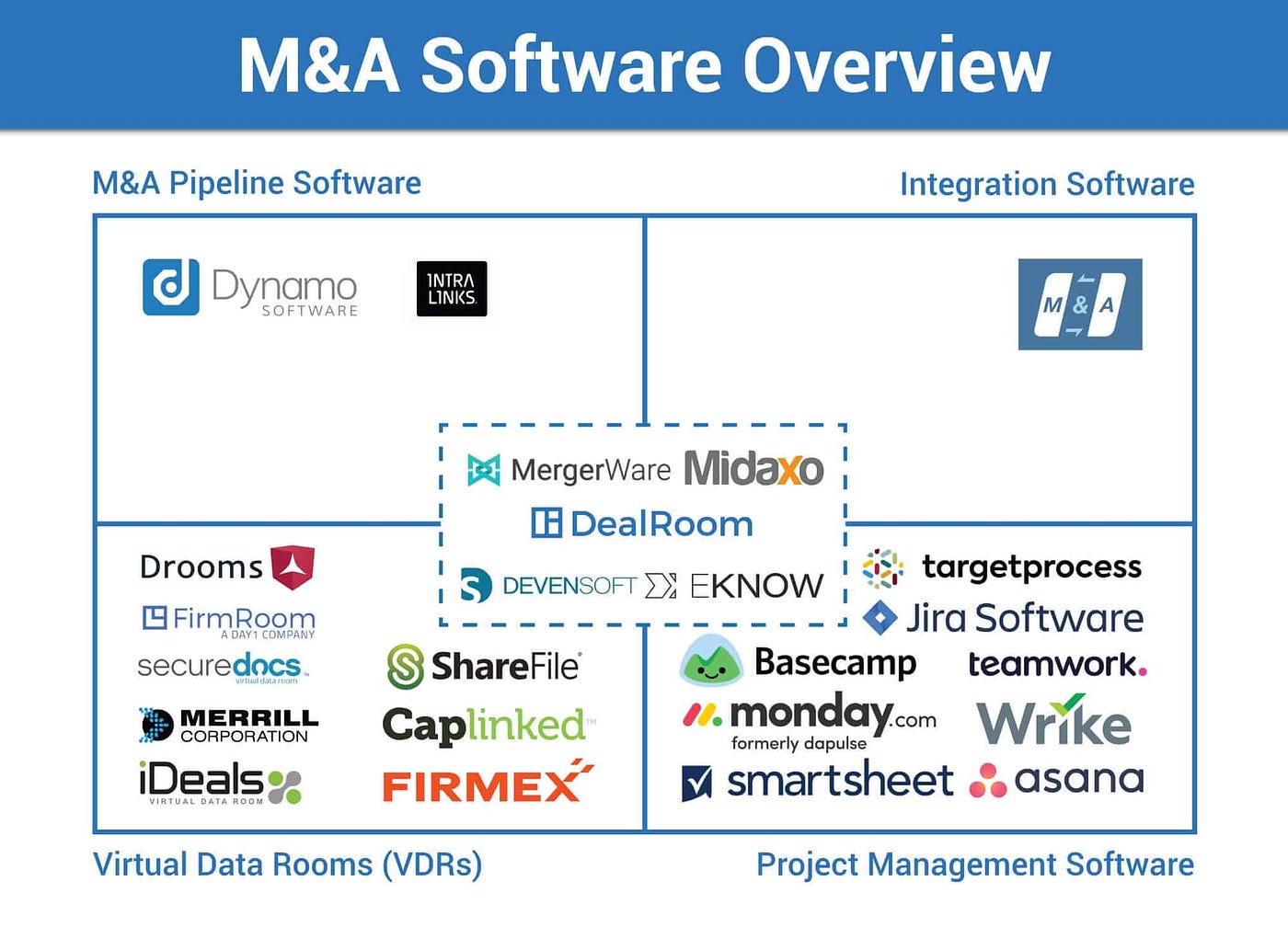
A Quick Lexicon for the Modern Dealmaker
To fully appreciate the tools shaping modern M&A, we must first be fluent in the language of the technology that powers them. Here are a few core terms every M&A professional should know:
- Virtual Data Room (VDR): The foundation of modern diligence, a VDR is a secure online repository for storing and sharing sensitive documents with bidders, investors, and advisors. Today’s VDRs have evolved far beyond simple file storage.
- Artificial Intelligence (AI) and Machine Learning (ML): AI refers to the simulation of human intelligence in machines. Machine Learning is a subset of AI where algorithms are “trained” on large datasets to recognize patterns, make predictions, and improve their performance over time without being explicitly programmed for each task.
- Natural Language Processing (NLP): A branch of AI, NLP gives computers the ability to understand, interpret, and generate human language. In M&A, this is the magic that allows a tool to “read” and analyze thousands of contracts in minutes.
- Application Programming Interface (API): An API acts as a bridge, allowing different software applications to communicate and share data with each other. This is crucial for creating a seamless diligence workflow where your contract analysis tool can talk to your VDR and your project management platform.
- Software-as-a-Service (SaaS): A software licensing and delivery model in which software is licensed on a subscription basis and is centrally hosted. Most modern diligence tools are SaaS-based, offering flexibility, scalability, and lower upfront costs.
The Diligence Decathlon: Our Top 10 Tech Tools
We selected the following ten categories of technology based on their direct impact on diligence quality, their growing adoption across the industry, and their ability to solve specific, high-stakes problems for deal teams. Our focus is on the types of tools and their capabilities, as specific vendors and platforms continuously evolve. For each category, we explain what it is, how it transforms the diligence process, and what to consider when deploying it.
Here are the top 10 technologies revolutionizing M&A due diligence:
1. Next-Generation Virtual Data Rooms (VDRs)
- What It Is: The modern VDR has evolved from a simple secure folder into an intelligent deal management hub. It incorporates features like AI-powered document categorization, built-in Q&A workflows, user activity tracking, and granular security controls.
- What It Does in DD: A next-gen VDR automatically sorts and indexes thousands of uploaded documents into a logical diligence checklist structure. It uses AI to identify document types (e.g., employment agreements, supply contracts) and even flags missing files. Its advanced analytics provide insights into bidder engagement, showing which documents are getting the most attention, which can be a proxy for a bidder’s key areas of concern or interest.
- The Revolutionary Edge: It dramatically reduces the administrative burden of setting up and managing a data room. Instead of associates spending weeks organizing files, the VDR does the heavy lifting, freeing up the team to focus on substantive analysis from day one. The engagement analytics offer a strategic layer of insight into deal dynamics that was previously unavailable.
- Where to Find It: Leading providers in this space include Datasite, Intralinks, and DealRoom.
- Key Considerations: Evaluate the platform’s AI capabilities rigorously. Is the auto-categorization accurate? Does the user interface streamline or complicate the Q&A process? Security remains paramount, so vet the provider’s certifications and data protection protocols with extreme care.
2. AI-Powered Contract Analysis Platforms
- What It Is: These platforms use Natural Language Processing (NLP) to read and analyze vast quantities of legal and commercial contracts. They are the digital equivalent of an associate who never sleeps, never complains, and has memorized every clause variation imaginable.
- What It Does in DD: You can upload thousands of contracts, and the tool will, within hours, identify and extract key clauses related to change of control, assignment, liability limitations, termination rights, and other critical risk areas. Many platforms come pre-trained on M&A use cases but can also be customized to search for deal-specific language.
- The Revolutionary Edge: This technology converts a process that traditionally took weeks of high-cost manual review into a task completed in a day. It not only accelerates the process but also significantly improves accuracy by eliminating human error and fatigue. It allows legal teams to focus on negotiating the implications of risky clauses rather than just finding them.
- Where to Find It: Standout platforms include Luminance, Kira Systems (part of the Litera suite), and eBrevia (a DFIN company).
- Key Considerations: “Garbage in, garbage out” applies here. The tool’s effectiveness depends on the quality and legibility of the scanned documents. Always have a human lawyer review the AI’s output, as the technology is a powerful assistant, not a replacement for legal judgment, especially on nuanced or unusually drafted clauses.
3. Cybersecurity & IT Diligence Platforms
- What It Is: These are specialized SaaS platforms that provide an “outside-in” assessment of a target company’s cybersecurity posture. They continuously scan the public internet for vulnerabilities, misconfigurations, and signs of compromise associated with the target.
- What It Does in DD: These tools generate an easy-to-understand security rating, similar to a credit score. They identify specific issues like open ports, outdated software, email security gaps, and evidence of malware infections. This provides a rapid, non-intrusive first look at the target’s digital hygiene before you even get access to their internal systems.
- The Revolutionary Edge: In an era where a single data breach can cripple a company, this technology moves cybersecurity diligence from a last-minute checklist item to a primary, quantifiable risk assessment. It provides an objective, data-backed view that can identify massive hidden liabilities and inform purchase price negotiations or even kill a deal.
- Where to Find It: Key players are SecurityScorecard, BitSight, and UpGuard.
- Key Considerations: An outside-in scan provides a valuable but incomplete picture. You must supplement these findings with traditional inside-out diligence, including policy reviews, penetration testing results, and interviews with the CISO. The score is a starting point for a deeper conversation, not the final word.
4. Financial & Operational Data Analytics Tools
- What It Is: This category includes a range of powerful data visualization and business intelligence (BI) tools that go far beyond the capabilities of Microsoft Excel. They can ingest, clean, and analyze massive datasets from disparate sources like ERPs, CRMs, and supply chain management systems.
- What It Does in DD: These tools allow you to perform sophisticated analyses on a target’s core data. You can visualize customer churn rates by cohort, analyze product profitability at a granular level, identify supply chain dependencies, and model complex synergy scenarios with far greater speed and accuracy than is possible in a spreadsheet.
- The Revolutionary Edge: They empower deal teams to test management’s assertions with real data. Instead of relying on summary reports, you can dive into the raw data to uncover the true drivers of performance. This transforms financial and operational diligence from a validation exercise into a genuine source of strategic insight for post-merger integration.
- Where to Find It: This space includes self-service analytics platforms like Alteryx, Tableau, and Microsoft Power BI, which are often used by consulting and advisory firms.
- Key Considerations: The output is only as good as the data you can get. Gaining direct access to the target’s systems or receiving clean data dumps can be a major challenge. Your team must have the analytical skills to build the right queries and interpret the results correctly; the tool itself is not a magic wand.
5. Human Capital Management (HCM) Analytics Tools
- What It Is: These tools analyze the “people” data within a target organization. They plug into HR information systems (HRIS) to provide insights into workforce composition, compensation, attrition rates, performance metrics, and organizational structure.
- What It Does in DD: An HCM analytics tool can quickly identify pay equity issues, flag departments with high turnover, pinpoint key employees who are flight risks, and model the cost of harmonizing benefits and compensation post-merger. It helps quantify the human element of a deal.
- The Revolutionary Edge: People are often a company’s most valuable—and riskiest—asset. This technology brings quantitative rigor to HR diligence, which has often been a qualitative, interview-based process. It can uncover hidden labor costs and cultural integration challenges that are critical to the success of a merger.
- Where to Find It: While often conducted using general BI tools like Tableau, specialized capabilities exist within major HCM platforms like Workday and SAP SuccessFactors, or through bespoke analysis by HR consulting firms.
- Key Considerations: Employee data is highly sensitive and subject to strict privacy regulations like GDPR. Ensure you have the proper legal permissions and data anonymization protocols in place before conducting this analysis. The data often needs significant cleaning and standardization to be useful.
6. eDiscovery and Digital Forensics Platforms
- What It Is: Originally developed for litigation, eDiscovery platforms are incredibly powerful tools for searching and analyzing unstructured data, such as emails, chat messages, and internal documents.
- What It Does in DD: In M&A, these platforms are used to investigate specific risks. For example, you can use them to search a target’s email server (with permission) for evidence of ongoing litigation, intellectual property disputes, or potential compliance breaches that have not been formally disclosed. Digital forensics can also be used to investigate data exfiltration by departing employees or other internal threats.
- The Revolutionary Edge: This is the ultimate tool for “trust, but verify.” It allows you to search for the proverbial smoking gun in a mountain of digital communication. It can uncover risks that would never appear in a formal disclosure schedule, providing a powerful defense against post-closing surprises.
- Where to Find It: Relativity, Nuix, and Exterro are leading platforms in the eDiscovery space.
- Key Considerations: This is an intrusive and expensive form of diligence. It is typically reserved for situations with a high degree of specific, suspected risk. The legal and privacy implications are significant, and this type of analysis requires deep expertise to execute properly and interpret the results without bias.
7. Intellectual Property (IP) Analytics Tools
- What It Is: These are specialized databases and analytics platforms designed to map and evaluate a company’s intellectual property portfolio, as well as the broader competitive landscape.
- What It Does in DD: For technology, pharmaceutical, and other IP-heavy deals, these tools are indispensable. They can visualize a target’s patent portfolio, identify which patents are most valuable (based on citations and other metrics), uncover potential infringement risks, and analyze the strength of their IP relative to competitors.
- The Revolutionary Edge: They transform IP diligence from a simple patent schedule review into a strategic analysis of a target’s core value and competitive moat. You can assess not just the IP the company owns, but also its strategic importance and defensibility in the market, which is crucial for valuation.
- Where to Find It: Prominent tools in this category include PatSnap, Cipher, and LexisNexis PatentSight.
- Key Considerations: Patent data is complex. Evaluating a portfolio requires a combination of the tool’s quantitative analysis and the qualitative judgment of an experienced IP lawyer. The tool can tell you a patent is frequently cited, but a human expert must determine why and whether that creates value or risk.
8. ESG Diligence Platforms
- What It Is: A burgeoning category of tools that aggregate and analyze data related to a company’s Environmental, Social, and Governance (ESG) performance.
- What It Does in DD: These platforms scan thousands of public sources—including regulatory filings, news articles, NGO reports, and social media—to score a target on a wide range of ESG factors. This can include everything from carbon emissions and water usage (Environmental) to labor practices and data privacy (Social) to board structure and executive compensation (Governance).
- The Revolutionary Edge: ESG is no longer a “soft” issue. It represents a real financial and reputational risk that can impact valuation and long-term performance. These tools provide a structured, data-driven way to assess these risks early in the deal process, moving beyond the company’s self-reported sustainability reports.
- Where to Find It: Leading providers include RepRisk, EcoVadis, and specialized data services from firms like MSCI and Sustainalytics.
- Key Considerations: ESG data and rating methodologies are not yet fully standardized. Different providers may give wildly different scores for the same company. It is critical to understand the methodology behind the score and use it as a starting point for deeper, qualitative diligence.
9. Collaborative Deal Management Platforms
- What It Is: These platforms go beyond the VDR to manage the entire M&A workflow. They are centralized hubs for checklists, task assignments, communication, and progress tracking for the entire deal team, including bankers, lawyers, consultants, and internal stakeholders.
- What It Does in DD: A deal management platform centralizes the diligence request list, tracks the status of each item, assigns responsibility, and creates an auditable trail of all activities. It integrates communication, so questions and answers are logged in one place instead of being lost in hundreds of separate email chains.
- The Revolutionary Edge: They bring order to the chaos of a complex M&A process. By providing a single source of truth for project status, they eliminate version control issues, prevent tasks from falling through the cracks, and give senior leaders a real-time dashboard view of the entire diligence effort.
- Where to Find It: Midaxo, Dealpath, and Devensoft are key players in this space.
- Key Considerations: The main challenge is adoption. The platform is only effective if all parties involved in the deal commit to using it consistently. Choose a platform with an intuitive interface and provide proper training to ensure it streamlines work rather than adding another layer of complexity.
10. Integration & API Management Platforms
- What It Is: This is the sophisticated “glue” that holds the modern diligence tech stack together. These platforms, often called Integration Platform as a Service (iPaaS), allow you to create automated workflows between the different tools you are using.
- What It Does in DD: Using an API management platform, you can connect your VDR to your contract analysis tool. When a new contract is uploaded to the VDR, it can automatically be sent to the AI platform for review, with the results then piped into your deal management platform as a new task for the legal team.
- The Revolutionary Edge: This is the key to unlocking true automation and efficiency. Instead of manually moving data between systems, you create a seamless, interconnected diligence engine. This multiplies the power of each individual tool and creates a compounding effect on speed and efficiency.
- Where to Find It: Leading iPaaS providers include MuleSoft (a Salesforce company), Zapier, and Boomi.
- Key Considerations: Setting up these integrations requires technical expertise. This is not a plug-and-play solution and often requires support from your IT department or a specialized consultant. Start with simple workflows and build out complexity over time.
Conclusion: The Augmented Dealmaker
The rise of these technologies does not signal the end of the M&A professional. Far from it. Technology is not replacing the nuanced judgment, strategic thinking, and negotiation savvy that define a great dealmaker. Instead, it is augmenting these skills. By automating the laborious, repetitive tasks that once consumed the bulk of the diligence process, these tools free up professionals to focus on what truly matters: interpreting the data, understanding its strategic implications, and making better decisions. The future of due diligence belongs not to the machine alone, but to the augmented dealmaker who knows how to wield these powerful new tools to unlock value and outmaneuver the competition.
As these technologies become more powerful and interconnected, which single area of due diligence do you believe is most ripe for complete technological disruption, and which will always require the essential human touch?

 E2E Deal Insights
Leave a comment