
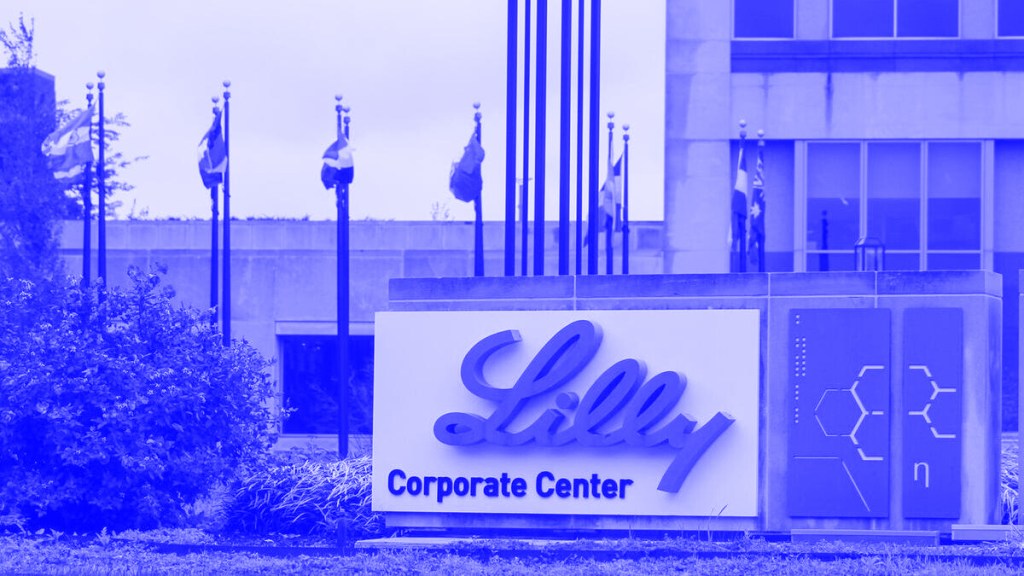
Serial Acquirers 101 (and 401): Eli Lilly & Co.’s Playbook for Buying, Building, and (Sometimes) Letting Go
The Company
If you’ve ever heard of insulin pens, blockbuster incretins, or an oncology franchise that keeps turning heads at scientific conferences, you’ve heard of Eli Lilly and Company. Founded in 1876 by Colonel Eli Lilly, the company is one of the oldest continuously operating pharmaceutical innovators in the world. Its headquarters sits in Indianapolis, Indiana (USA)—not your stereotypical pharma capital, but a city that Lilly has helped shape both economically and culturally for nearly 150 years.
Lilly is a global biopharmaceutical company focused on discovering, developing, manufacturing, and commercializing medicines in metabolic disease (diabetes/obesity), oncology, immunology, neuroscience (including genetic medicines), and a handful of adjacent areas. Think: tirzepatide (marketed for type 2 diabetes and obesity), Trulicity (dulaglutide, co‑market), Taltz (ixekizumab), Verzenio (abemaciclib), plus partnerships that extend into cardiometabolic disease and beyond. Their research investments increasingly point to precision medicine, novel modalities (e.g., radiopharmaceuticals, genetic medicines, and cell therapy), and platform technologies that can be snapped onto existing commercial engines.
Lilly sells medicines in well over a hundred countries and runs a network of R&D, manufacturing, and commercial sites across North America, Europe, and Asia. A few illustrative hubs and sites you’ll hear about frequently:
- United States: Indianapolis (HQ, manufacturing, and development); expansions in Lebanon, Indiana; manufacturing footprints in Concord, North Carolina; and a growing R&D and tech presence in Research Triangle Park (North Carolina) and Boston/Cambridge (genetic medicines and oncology).
- Europe: Longstanding biotech and insulin manufacturing in Kinsale/Cork (Ireland); major insulin/device manufacturing in Sesto Fiorentino (Italy); notable device/diabetes operations in Fegersheim (France); and commercial offices throughout the EU/UK.
- Rest of World: Commercial offices across Latin America, Asia-Pacific, and Middle East/Africa; manufacturing and packaging capacities are supplemented by partners and contract manufacturers, especially as the company scales up demand for injectables and biologics.
If you’re new to pharma: imagine Lilly as a global orchestra—R&D labs, clinical teams, regulatory experts, and manufacturing plants—each “section” playing in time. The acquisitions we’re about to cover are like adding new virtuoso soloists: small on their own, but transformative when integrated into the whole.
Acquisition History
Lilly is a serial acquirer, but not of the “megamerger” variety. Instead of swallowing equals, Lilly tends to buy platforms and pipelines—biotechs with a single powerful modality, a best-in-class program, or a team that can scale inside Lilly’s engine. This pattern is consistent over time and has sharpened in the last decade.
In recent history, Lilly’s largest acquisition has been Loxo Oncology (2019) for approximately $8 billion. That deal turbocharged Lilly’s precision oncology capabilities and effectively seeded what became Loxo@Lilly, a hallmark example of “integration without assimilation”: the target’s culture and scientific identity remain largely intact while benefiting from Lilly’s global infrastructure.
From 2020 through 2024 (mid‑year), Lilly announced or completed roughly nine acquisitions, including:
- Dermira (2020; immunology/dermatology)
- Disarm Therapeutics (2020; neurology, SARM1)
- Prevail Therapeutics (2020; AAV gene therapy in neuroscience)
- Protomer Technologies (2021; protein engineering for glucose‑responsive insulin)
- Akouos (2022; genetic medicines for otology)
- DICE Therapeutics (2023; oral immunology)
- Versanis Bio (2023; obesity/metabolic)
- Sigilon Therapeutics (2023; cell therapy for diabetes)
- POINT Biopharma (2023; radiopharmaceutical oncology)
The tempo increased materially in 2023, when Lilly notched four acquisitions, several in obesity/metabolic, immunology, and oncology/radiopharma—areas tightly linked to Lilly’s core strategy.
As of June 2024, Lilly had not disclosed a new, large (> $1B) acquisition for 2024; the company focused on scaling manufacturing and advancing internal and partnered programs. In 2023 (the prior year), Lilly announced four acquisitions, a notable burst that aligns with the company’s need to feed high-growth franchises (notably metabolic/obesity and oncology) and to diversify modalities (e.g., radiopharma, genetic medicines, cell therapy).
What types of companies do they buy—and why? Lilly’s targets typically fall into one or more of these buckets:
- Precision oncology and radiopharma (e.g., Loxo, POINT)—to expand molecularly targeted therapies and next‑generation oncologic modalities.
- Metabolic disease/obesity adjacencies (e.g., Versanis)—to reinforce and extend leadership beyond GLP‑1/GIP incretins with complementary mechanisms.
- Immunology (e.g., DICE)—to broaden oral and biologic options in chronic inflammatory disease.
- Genetic medicines and neurology (e.g., Prevail, Akouos, Disarm)—to build a long‑run engine in CNS and rare diseases with AAV, non‑viral delivery, and novel targets.
- Platform technologies (e.g., Protomer)—“toolboxes” that can be applied across multiple therapeutic areas.
Does it align with strategy? Absolutely. Lilly’s BD (business development) lens looks for targets that strengthen core franchises (metabolic, oncology, immunology) and optionality‑rich platforms (gene therapy, radiopharma, cell therapy) that can be industrialized within Lilly’s global scale. The deals also tend to complement—rather than replace—internal R&D, providing parallel shots on goal.
The serial acquirer pattern. If we score the last decade, Lilly has consistently chosen mid‑size, innovation‑dense targets (often $0.3–$2.5B range) with a few larger spikes (e.g., $8B Loxo). This yields a healthy balance of pipeline breadth and manageable integration risk—a strategy that looks prescient given soaring demand for Lilly’s metabolic products and the need to continue compounding innovation.
Acquisition Methods
Deal structure: Lilly typically executes all‑cash transactions via tender offers for public targets or straightforward share purchases for private companies. For earlier‑stage biotechs, Lilly often employs CVRs (contingent value rights) and milestone‑based payouts, a structure that aligns risk with clinical/regulatory outcomes (examples: Prevail, Akouos, Sigilon, Versanis).
Financing: With substantial operating cash flows and a fortress‑like balance sheet (supercharged by rising metabolic sales), Lilly generally funds M&A with cash on hand and short‑term debt/CP as needed. Because it’s not pursuing multi‑tens‑of‑billions “transformational” mergers, Lilly rarely requires complex financing packages. Instead, it emphasizes speed, certainty, and clean terms, especially when strategic fit and timeline (e.g., competitive processes) demand it.
Do they have a “favorite” banker? Public records don’t suggest a single, formal preferred financial advisor. Like many global pharmas, Lilly engages top‑tier bulge‑bracket banks for larger deals and specialist boutiques when domain expertise (e.g., radiopharma, genetic medicines) proves critical. On the legal side, Lilly works with leading global law firms known for life sciences M&A, regulatory, IP, and antitrust. In short: no one‑size‑fits‑all bench—the bench changes with the deal.
Speed vs. diligence: Lilly has developed a reputation for fast but rigorous diligence. Repeatedly executing small‑to‑mid cap acquisitions gives the internal teams a well‑worn checklist across CMC (Chemistry, Manufacturing, and Controls), quality, clinical operations, pharmacovigilance, compliance, and integration planning. Think of it like a pit crew: the car model changes, but the choreography is polished.
Post‑Merger Integration (PMI) Approach
Lilly often takes a “biotech‑light” integration approach: preserve the target’s scientific culture and velocity while plugging it into Lilly’s global platforms—manufacturing, regulatory, quality, clinical development operations, procurement, and commercial. The most visible expression of this is Loxo@Lilly, which retained its identity as a focused precision‑oncology engine post‑deal.
As a serial acquirer, Lilly maintains dedicated Corporate Development and Integration Management functions that coordinate across:
- R&D and clinical operations: protocol harmonization, data standards, pharmacovigilance;
- CMC/manufacturing: tech transfer, scale‑up, comparability studies, validation;
- Quality/Regulatory: post‑market requirements, QMS alignment, filings;
- IT/ERP/Data: security, access, data migration, lab informatics;
- People/HR/Compensation: retention packages, culture and communications;
- Finance/Controls: closing mechanics, purchase accounting, milestones.
Depending on scope and speed, Lilly supplements internal teams with Big Four firms and strategy consultancies (for synergy modeling, program management, and carve‑in plan design), and specialist technical advisors (e.g., radiopharma handling, GxP system validation). The choice varies by modality and transaction complexity—there’s no single, public “go‑to” for all deals.
In a Lilly PMI, the playbook typically aims to:
- Protect the scientific core (e.g., keep target leadership, labs, and R&D workflows intact).
- Accelerate to value (e.g., bring the asset onto Lilly’s regulatory and clinical rails).
- Right‑size governance (e.g., steering committees for resource allocation and milestone gates).
- Install Lilly’s quality and compliance framework without suffocating agility.
- De-risk the CMC path and manufacturing scale-up using Lilly’s plants and vetted CMOs.
That’s how you end up with a Loxo@Lilly or similar “brand‑within‑a‑brand” model—and why employees from acquired biotechs often view Lilly as integration‑savvy relative to more bureaucratic peers.
Divestitures
Yes, acquisitions sometimes come with pruning. Lilly has a track record of portfolio shaping—divesting non-core businesses and brand rights to focus on its highest‑conviction areas.
The big one: Lilly’s largest divestiture in recent years was Elanco Animal Health, which Lilly took public (2018) and fully separated (2019) via a split‑off. Strategically, this move sharpened Lilly’s focus on human biopharma, simplified capital allocation, and reduced business cyclicality. It also freed leadership capacity to build the metabolic and oncology engines that today define Lilly’s growth.
Other examples:
- Qbrexza® (Dermira asset) divested: After acquiring Dermira, Lilly sold Qbrexza (glycopyrronium cloth) to a dermatology specialist, streamlining its immunology/dermatology portfolio around assets with stronger strategic fit (e.g., lebrikizumab).
- Baqsimi® (glucagon nasal powder) divestiture: Lilly sold Baqsimi to a specialist company focused on emergency medicines, optimizing its diabetes portfolio toward core incretin platforms and pipeline investments.
Like acquisitions, Lilly’s divestiture advisor slate is transaction‑specific. Large separations (like Elanco) typically include global investment banks as bookrunners and top law firms for corporate, tax, and regulatory work; smaller brand sales may involve boutique advisors and industry specialists. There is no evidence of a single “preferred” divestiture advisor across all transactions.
Streamline to focus capital and operating attention on areas where Lilly enjoys or seeks global leadership. That usually means: double down on metabolic, oncology, immunology, and enabling platforms—and let go of assets that are better off with a company whose strategic center of gravity lies there.
The Future of Eli Lilly: What Might They Buy Next?
Lilly’s meteoric rise—driven largely by incretin‑based metabolic therapies—has two M&A implications:
- Reinvestment imperative. Cash flows need to be recycled into innovation to defend and expand leadership.
- Supply chain gravity. Demand for injectables and biologics puts a premium on CMC capacity, device/IP, and innovations in delivery (e.g., oral incretins, mini‑devices, on‑body injectors, formulation advances).
Likely hunting grounds:
- Obesity/metabolic adjacencies
- Mechanistic complements to GLP‑1/GIP: amylin analogs, GCG co‑agonists, GIP/GLP‑1/glucagon tri‑agonists, FGF21 biology, myostatin/ActRII (body composition), and central‑nervous‑system (CNS) appetite circuits that don’t raise safety red flags.
- Device and delivery tech: auto‑injectors, wearables, long‑acting depots, low‑dead‑space designs, and sustainable packaging to scale reliably.
- Oral incretin platforms: enabling technologies in permeation enhancers and formulation that could reduce reliance on injectables.
- Oncology and radiopharma
- Radiopharmaceuticals: targets beyond PSMA (e.g., SSTR, FAP, DLL3, HER2), plus isotope supply chain partnerships (Lu‑177, Ac‑225) and manufacturing—areas where bolt‑ons can de‑risk scaling.
- Precision oncology: covalent inhibitors, molecular glues, targeted protein degradation, and RNA‑targeting small molecules—especially if they fit the Loxo@Lilly paradigm.
- Immunology
- Oral immunology to complement biologics (e.g., IL‑17/23, TYK2, JAK with careful risk management), leveraging the DICE platform insights.
- Tissue‑targeted approaches that reduce systemic exposure and side effects.
- Genetic medicines and neuroscience
- AAV and non‑viral delivery with improved tropism, manufacturability, and immunogenicity profiles.
- Neurodegeneration adjacencies that complement amyloid‑targeting strategies with neuroinflammation, synaptic health, or biomarker plays.
- Enablers and platforms
- AI/ML for drug discovery (structure‑based design, ADMET prediction) and in‑silico CMC optimizations.
- Manufacturing innovations (continuous bioprocessing, single‑use systems, technology for peptide and radiopharma scale‑up) that ease capacity constraints.
Expect single‑ to low‑double‑digit billion dollar deals at the high end (especially for derisked Phase 2/3 assets in obesity or oncology), with a steady cadence of $300M–$2B bolt‑ons in platform areas—often with CVRs to balance risk. In short: Lilly will likely persist as a serial acquirer, not a mega‑merger hunter.
The center of gravity remains U.S. and Europe (Boston/Cambridge, Bay Area, RTP, UK/Oxford/Cambridge, Switzerland, and the DACH region), with selective Israeli and Nordic technology plays—ecosystems dense with radiopharma, immunology, and platform innovation.
Bringing It Together: Why Lilly’s Serial Acquisition Model Works
- Strategic coherence: Each deal reads like a chapter in the same book—expanding metabolic, oncology, and immunology leadership while building modalities (radiopharma, gene/cell therapy) that can scale inside Lilly’s engine.
- Integration craft: The biotech‑light approach preserves the magic of the target while installing Lilly’s CMC, quality, regulatory, and commercial scaffolding.
- Risk‑weighted structuring: CVRs and milestones where appropriate; all‑cash where confidence is high.
- Capital discipline: No empire‑building megamergers; lots of optionality via focused bolt‑ons.
- Operational flywheel: As acquisitions accumulate, Lilly’s playbooks for due diligence, tech transfer, and regulatory execution get faster and smarter, a compounding advantage.
And yes, it doesn’t hurt that the company’s market momentum (thanks to metabolic therapies) funds this flywheel. If you’re going to be a serial acquirer, it’s nice to have serial cash flows.
Conclusion
Eli Lilly’s approach to M&A is an instructive case study in strategic patience and integration pragmatism. The company rarely chases mega‑deals; instead, it relentlessly picks off assets and teams that fit into a coherent vision: dominate in metabolic disease, build precision oncology scale, expand in immunology, and invest in next‑gen modalities that can reshape treatment paradigms. Expect more bolt‑ons and occasional headline‑grabbing acquisitions when a program (say, a late‑stage obesity or radiopharma asset) looks truly transformational. If you were in Lilly’s BD seat for a day, would you prioritize a radiopharma platform, an oral incretin technology, or an immunology team with a best‑in‑class oral IL‑17 program—and why?


Leave a comment